South West Coast National Scenic Area

Why visit South West Coast National Scenic Area

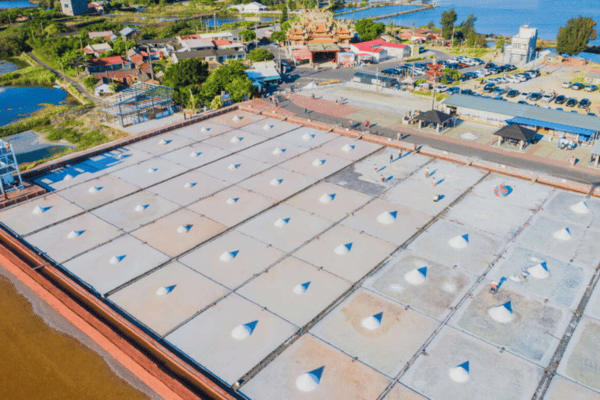
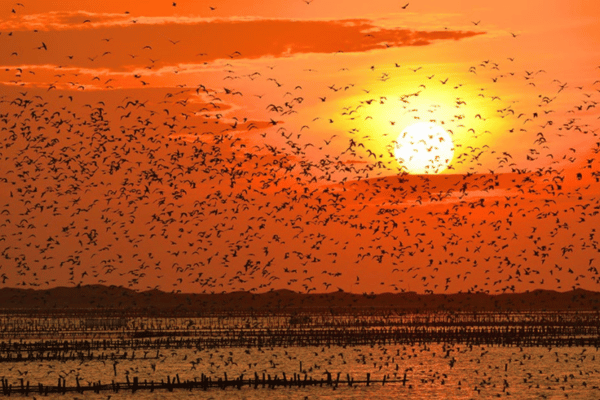
The Southwest Coast National Scenic Area in Taiwan boasts the island’s largest sandbar, lagoon, and wetlands. It serves as a crucial stopover habitat for migratory birds travelling along the East Asian flyway. For over 200 years, this region was Taiwan’s exclusive site for salt production, fostering a distinct salt industry and shaping unique religious beliefs. Read further to find out more about the destination!

Destination’s sustainability performance

Food & Products
0%
Caring for People
0%
Good Employment
0%
Reducing Pollution
0%
Caring for Climate
0%
Reducing Waste
0%
Caring for Water
0%
Caring for Nature
0%
Caring for Culture
0%
Management & Info
0%

Culture & Local Life

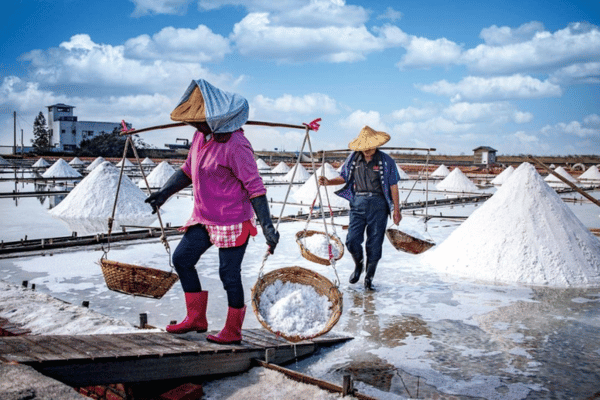
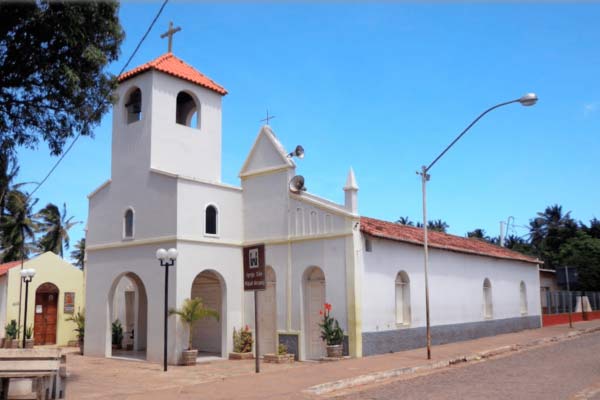
The salt industry has deeply influenced local life in the Southwest Coast region, from traditional salt drying methods to community-based religious practices. For centuries, the area was Taiwan’s primary salt-drying venue, nurturing a distinct way of life centred around salt production. This heritage lives on in local festivals, artisan workshops, and traditional ceremonies that honour deities believed to protect the salt fields. The region is rich in folklore and communal spirit, where salt-related arts, culinary traditions, and beliefs continue to be celebrated, preserving an invaluable part of Taiwan’s cultural identity.

GOOD BUSINESSES

Discover accommodations, restaurants, shops and attractions that are commited to responsible development

Sustainability

The Southwest Coast National Scenic Area in Taiwan is committed to becoming a sustainable tourism destination that values quality, innovation, and cross-industry cooperation. Drawing on its unique wetland ecology, salt pan landscapes, and rich religious heritage, the area has taken significant steps to advance sustainable tourism. Established in 2016, the Environmental Education Center provides certified courses and ecotourism programmes, strengthening awareness and conservation efforts. Promoting low-carbon tourism, the region organises three annual cycling and slow-travel events and has trained 32 local cycling guides, supporting eco-friendly exploration. With the creation of a designated sustainable tourism zone, the scenic area is actively fostering responsible and enriching visitor experiences.
Good Practice Story

From Birds to Livelihoods: A Sustainable Path on Taiwan’s Southwest Coast

Qigu, located at Taiwan’s westernmost point, features a dynamic coastal landscape shaped by sandbars, tidal flows, and wetlands. Most residents sustain theirlivelihoods by leasing fishponds and engaging in traditional aquaculture, notably cultivating oysters and clams. In the past, due to its low land costs and abundant sunlight, this area was designated by the government as an “ideal site” for industrial and renewable energy development. However, when such development plans threatened the wetland ecosystems and the livelihoods of leaseholding aquaculture
farmers, the Qigu community’s response evolved beyond mere protest. They proactively proposed locally adapted alternative solutions. Rather than acquiescing
to development pressures, they endeavoured to harmonise nature and economy, implementing eco-friendly aquaculture practices, environmental education, and
translating wetland conservation into guided tours and tourism value. Through these efforts, they gradually established a sustainable local model. The residents
demonstrated how a community can, through its initiative, find a balance between industrial transformation and ecological impact.

Nature & Wildlife

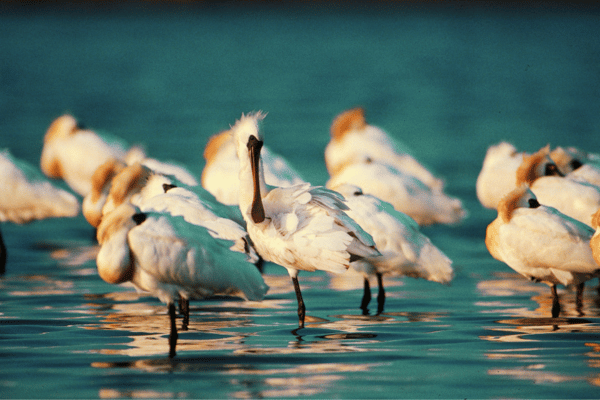
The Southwest Coast is a haven for outdoor enthusiasts, with its vast sandbars, lagoons, and protected wetlands. It provides an ideal environment for birdwatching, particularly for spotting migratory species like black-faced spoonbills and egrets. The extensive coastal areas and wetlands offer unique landscapes for hiking and photography, while the serene lagoons invite kayaking and eco-tours. Visitors can also explore Taiwan’s only salt-drying fields and experience hands-on salt production. Nature lovers can discover scenic trails, participate in eco-friendly tours, and explore the diverse wildlife of this ecologically rich area.

Getting there

Reaching the Southwest Coast National Scenic Area from major cities like Taipei is convenient, with high-speed rail services to Tainan and Chiayi, both nearby hubs. From there, local buses and taxis connect to the scenic area, making for a scenic journey through Taiwan’s coastal landscapes. For those driving, the area is accessible via Highway 61 along the west coast, with clear signage to guide visitors. Alternatively, organised eco-tours from major cities offer easy travel and insightful commentary about the area’s natural and cultural attractions.

Getting around

The scenic area is best explored by a combination of cycling and walking, allowing visitors to experience the salt fields, wetlands, and birdwatching sites at a relaxed pace. Bicycles are available for hire in local towns, and there are dedicated cycling paths along the coast. Public buses run infrequently, but taxis can be arranged for more flexible travel. Guided eco-tours are a great way to learn about the area’s unique environment, while boat tours through the lagoons offer an exceptional view of the coast’s natural beauty and wildlife habitats.

Sustainability Recognitions

Top 100 2024 Logo

South West Coast National Scenic Area was selected in 2024 Sustainable Destinations Top 100

MORE INFORMATION HERE

South West Coast National Scenic Area received a Green Destinations Platinum Award in 2023 indicating advanced progress towards achieving full compliance with the Green Destinations Standard for sustainable destinations.

MORE INFORMATION HERE