
Switzerland is often imagined through its landscapes first, snowy peaks, lakes, trains climbing through the Alps, postcard-perfect villages. And all of that is there. But after a while, what stays with you is something quieter. The rhythm of everyday life feels calm and intentional, shaped by a strong connection to nature and a culture that values balance, precision, and simplicity. As you move between regions, the atmosphere subtly shifts between languages, traditions, and landscapes, yet everything still feels deeply connected. The longer you stay, the more Switzerland reveals itself beyond the scenery, in small routines, mountain light, local encounters, and the feeling that life moves just a little more thoughtfully there.
The map below features a selection of Good Travel Experiences (GTEs) numbered in blue.
A Good Travel Experience is a tourism activity that creates real benefits for local people and communities, while keeping its impact on nature, culture, and the climate lower than similar activities. Learn more about each Good Travel Experience:

Schaffhausen
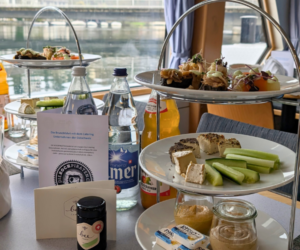
Culinary Cruise on Lake Constance & Rhine
Set sail on a scenic culinary journey along Lake Constance and the Rhine, enjoying a fully vegan brunch. This unique experience combines stunning landscapes with delicious plant-based cuisine, crafted for both flavor and visual delight.
Glide through tranquil waters while savoring a carefully curated vegan menu served on elegant, tiered stands. The Vegan Brunch Cruise offers a relaxing and indulgent way to connect with nature, enjoy gourmet plant-based dishes, and experience the beauty of the lake and river from a unique perspective.
GOOD TO KNOW
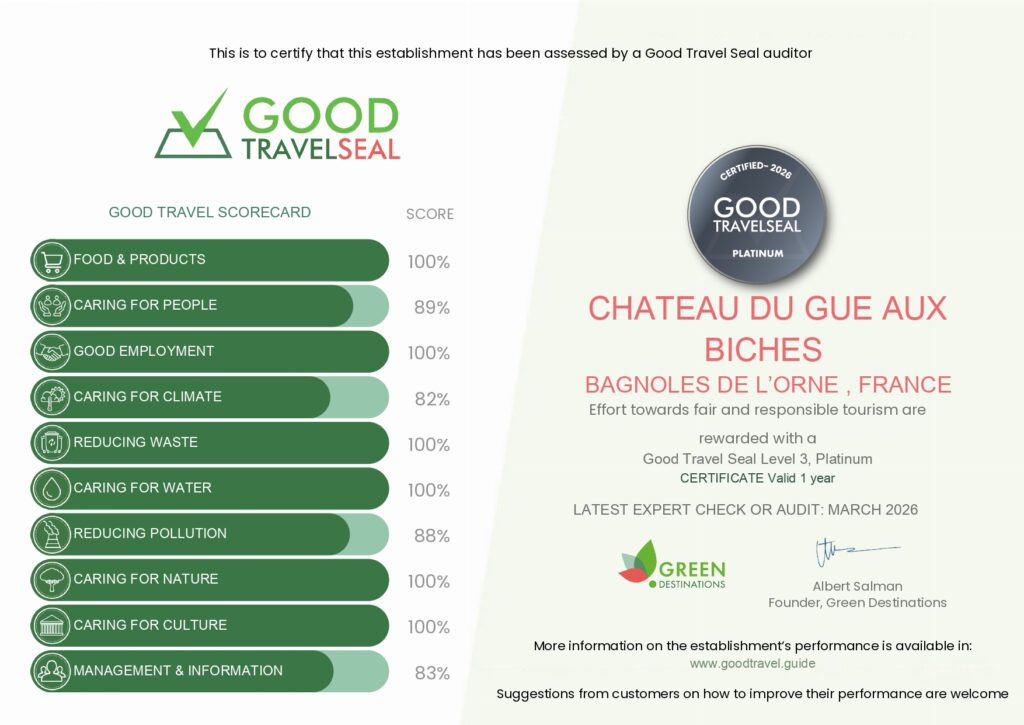
Good Travel Seal Level 3
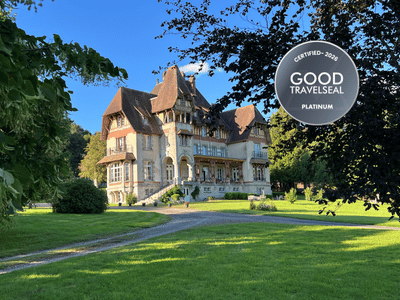
The alliance of elegance and hospitality
Today labelled Gîte de France 4 stars, the Gué aux Biches reveals, on the first floor, 3 superior rooms and 2 suites of character with contemporary comfort. Each bears the name of a personality who stayed at the château or in Bagnoles:
– The Albert-Christophe suite, with bedroom, living room, en-suite private bathroom (shower and bath)and south-facing balcony
– The beautifully naturally lit Alexandre Dumas suite, facing South, a large west facing balcony and en-suite private bathroom
– The Marie-Laurencin, Paul-Féval and Sophie-Herminie rooms, all with a en-suite private bathrooms and views
The price: From €245 per night for suites and €195 per night for superior rooms. An offer that not only includes bathrobe and slippers embroidered with the logo of the chateau, but also breakfast. “We are not cooks, but we love to eat well”, says Soren, with a broad smile. “We don’t offer table d’hôte, but treat our guests to a hearty breakfast served in the Dining room on the ground floor, guests are also free to make use of the salon, a library and a large terrace with views of the park and its lake.
Get inspired with stories from places and people that are acting for a fair and responsible tourism
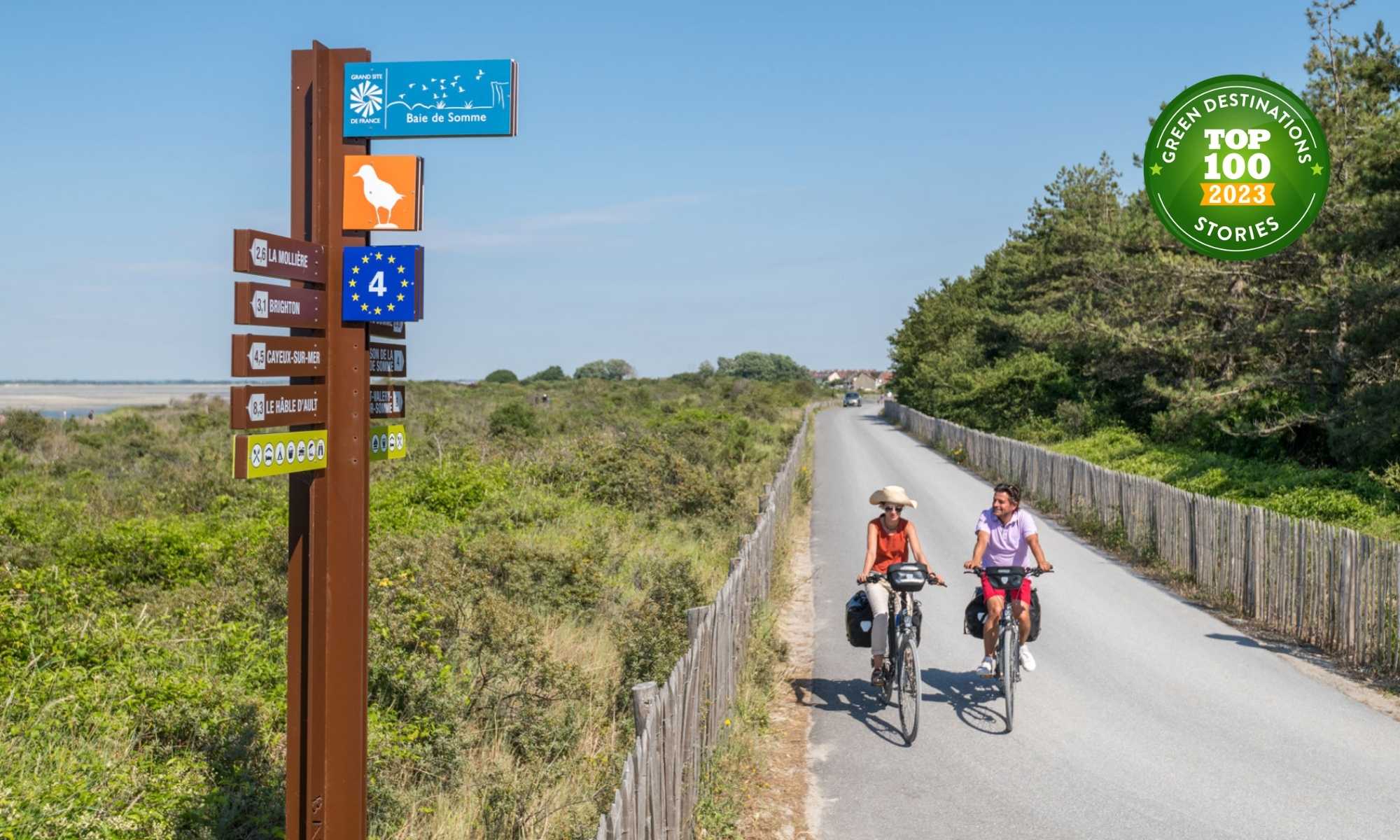
Over the past 50 years, the Baie de Somme Destination Management Organisation developed a long-term vision for the destination, which preserves the natural beauty and authenticity of the area. This uniqueness amidst a growing landscape of overbuilt seaside resorts has made Baie de Somme even more desirable for tourists. Developing soft mobility was seen as a solution to fight the threats of overtourism and respond to the need for preservation of the site. In 2001 the Syndicat Mixte Baie de Somme – Grand Littoral Picard launched the Bicycle plan to develop crucial infrastructure, enroot sustainable tourism and attract cycle tourists to the destination. The Baie de Somme managed to balance the preservation of its nature and scenery while offering its visitors the means to experience its beauty in the most sustainable and enjoyable ways. Today, the Baie de Somme has an extensive and interconnected cycle path network of 160 km.
Sustainability
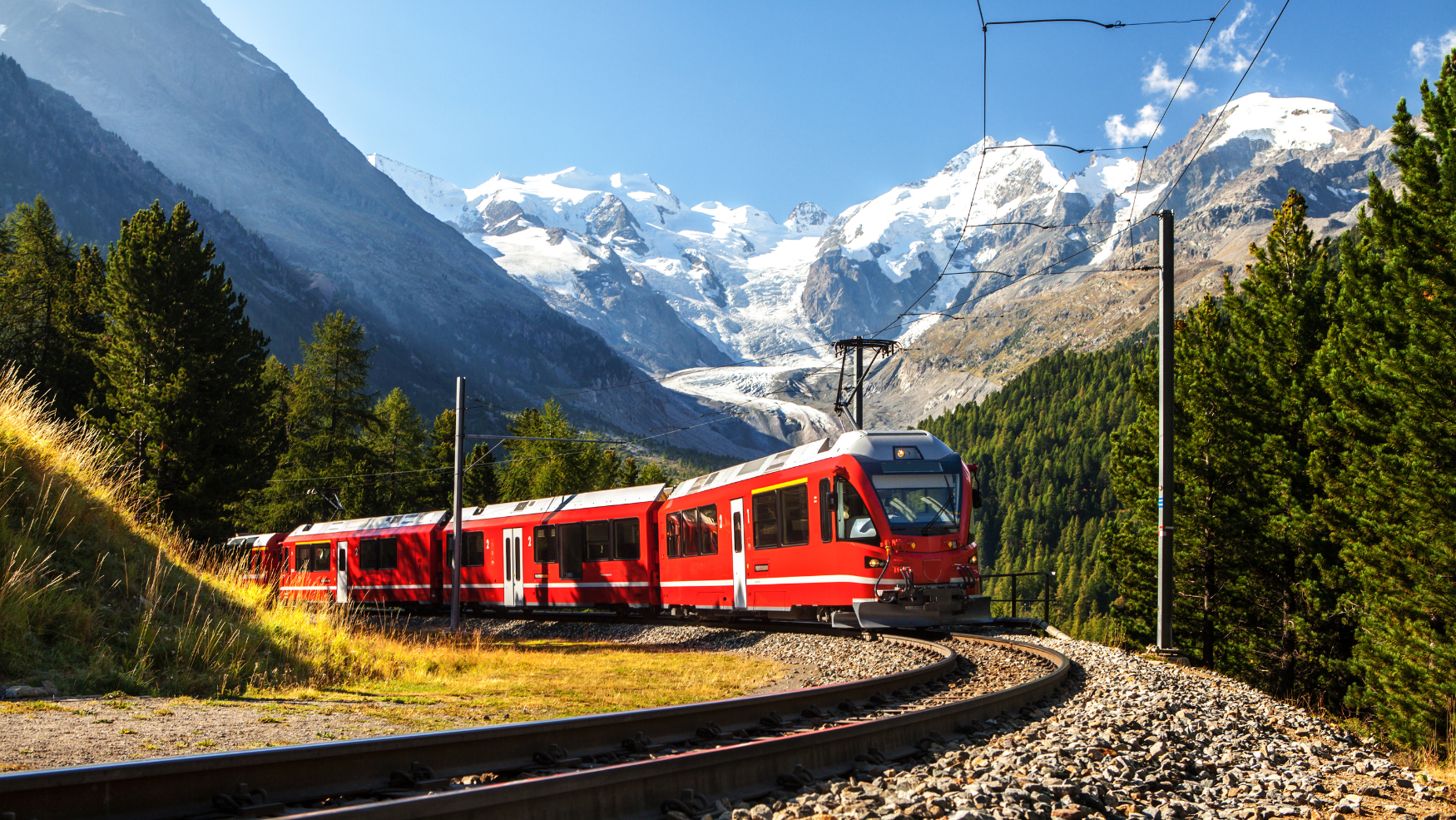
Switzerland’s relationship with sustainability is closely tied to its landscapes and the way people move through them. Mountains, lakes, forests, and alpine ecosystems are carefully protected through a wide network of parks, reserves, and environmental regulations. Public transport also plays a major role in everyday life, making it possible to travel across much of the country by train, tram, bus, or boat with relatively low environmental impact. At the same time, Switzerland faces ongoing challenges linked to climate change, especially in alpine regions where glaciers are rapidly retreating and tourism pressure can affect smaller communities and natural areas. Sustainability efforts increasingly focus on conservation, slow mobility, renewable energy, and balancing tourism with local quality of life.
Switzerland is one of the easiest countries in Europe to explore by public transport. Trains, buses, boats, and mountain railways connect cities, villages, and alpine regions with impressive efficiency. Travelling this way is not only practical, but also part of the experience itself, especially on scenic routes through the Alps and around the lakes.
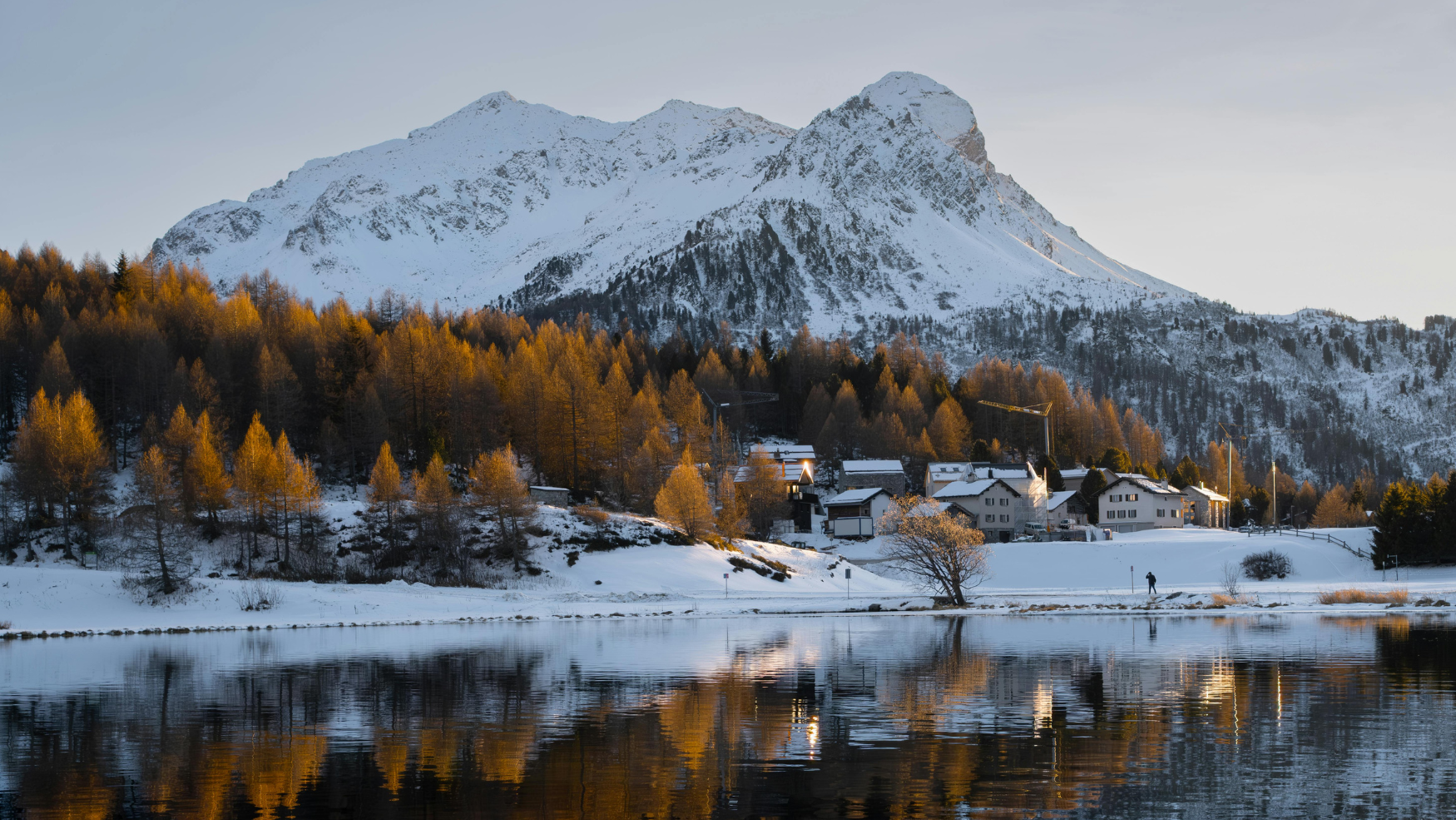
Nature is deeply valued in Switzerland, and small everyday actions matter. Stay on marked trails, follow local guidance in mountain areas, and avoid disturbing wildlife or farming land. Weather in alpine regions can change quickly, so planning ahead and travelling prepared is an important part of enjoying the outdoors responsibly.
Tourism & People
Tourism in Switzerland is closely connected to nature, outdoor life, and the rhythm of the seasons. While the country is internationally known for skiing and alpine tourism, many regions also attract visitors through hiking, lakes, wellness culture, local traditions, and slower forms of travel. What often surprises visitors is how diverse the country feels from one region to another, shaped by different languages and cultural influences. People can seem reserved at first, but interactions are usually polite, respectful, and quietly helpful. Outside the busiest tourist areas, everyday life tends to feel calm, local, and closely tied to the surrounding landscape.
Nature & Wildlife
Switzerland’s natural diversity is remarkable for a relatively small country. Within a few hours, landscapes shift from high alpine environments and glaciers to vineyards, deep valleys, forests, and clear lakes. Wildlife varies greatly between regions, with species such as ibex, marmots, red deer, foxes, and golden eagles inhabiting mountain and forest ecosystems. Seasonal changes strongly shape the experience of nature here, from snow-covered alpine landscapes in winter to wildflower meadows and green pastures during the warmer months. What stands out is the close coexistence between human life and nature, where villages, farms, hiking paths, and protected environments remain deeply interconnected.
Brazil has 9 destinations featured in the Top 100 Sustainable Destinations 2021.
Other sustainability certifications can be seen here (English) and here (Portuguese).
Fernanda Rodak | Page Editor
“Brazil is a worldwide known hotspot for biodiversity as well as home to a multitude of cultural expressions. The natural and cultural heritage and immense variety of tourism experiences in the country are valuable assets for its competitiveness. Yet, as we envision a post Covid-19 era, sustainability in tourism becomes crucial to build resilience and guarantee the long-lasting health of Brazil’s ecosystems and well-being of the hosting communities. This would also ensure an active contribution of the country’s tourism sector to the Sustainable Development Goals.”
Important Notice: Awards, seals, recognitions, and competition results presented on this website do not constitute certification unless explicitly stated as “GSTC-certified against Green Destinations Standard” following independent third-party conformity assessment.
Get in touch
Support
We are a multicultural, creative, and dedicated team working to advance evidence-based, responsible destination management and lower-impact travel. Join us in our fight against the climate crisis, single-use plastics, and over-tourism!