
- To Stay
- to venture out
- Other establishments
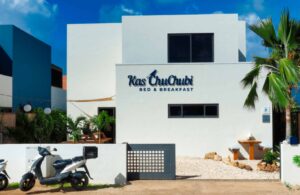
Kas chuChubi
2-stars certified
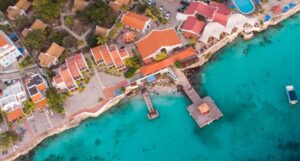
Captain Don’s Habitat
3-stars certified
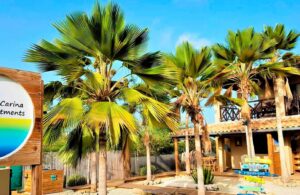
Villa Carina Apartments
5-stars certified, Virus-Aware Checked
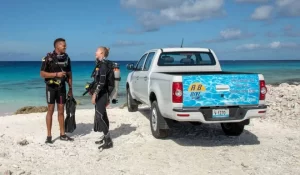
AB-Dive Bonaire
4-stars certified

Greenbikes Bonaire
3-stars certified
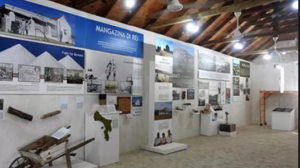
Cultural Park Mangazina di Rei
2-stars certified
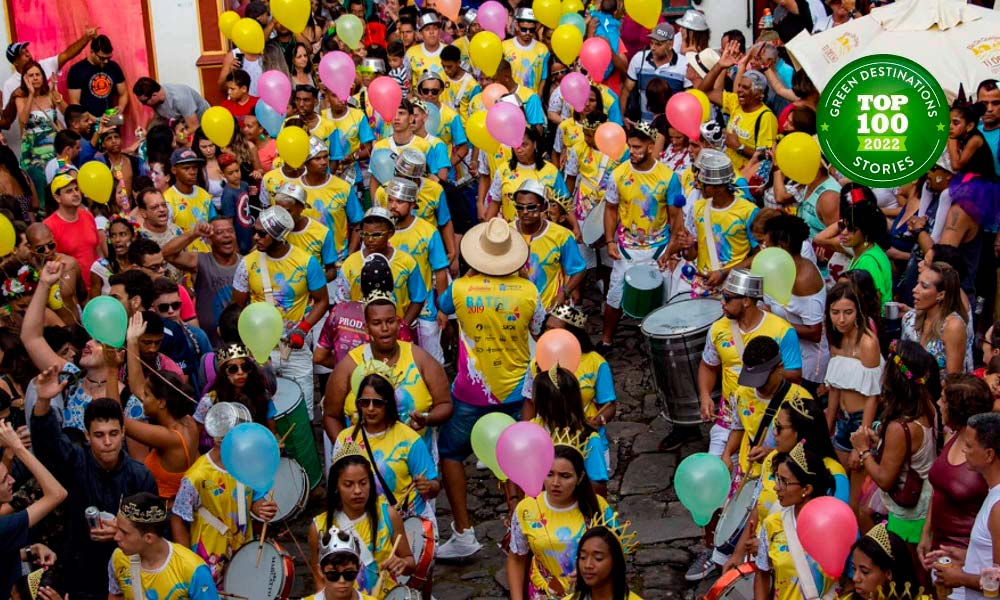
Diamantina
Diamantina’s carnival is a strong cultural reference for the people of Diamantina and popularly appropriated by the national tourism market. Carnival brought many important social, environmental, cultural and economic impacts to the municipality as a recreation of its characteristics from mass tourism to prioritizing family tourists and valuing the local community and culture.
KNOW THEIR STORY THEIR SCORE CARD
KNOW THEIR STORY THEIR SCORE CARD
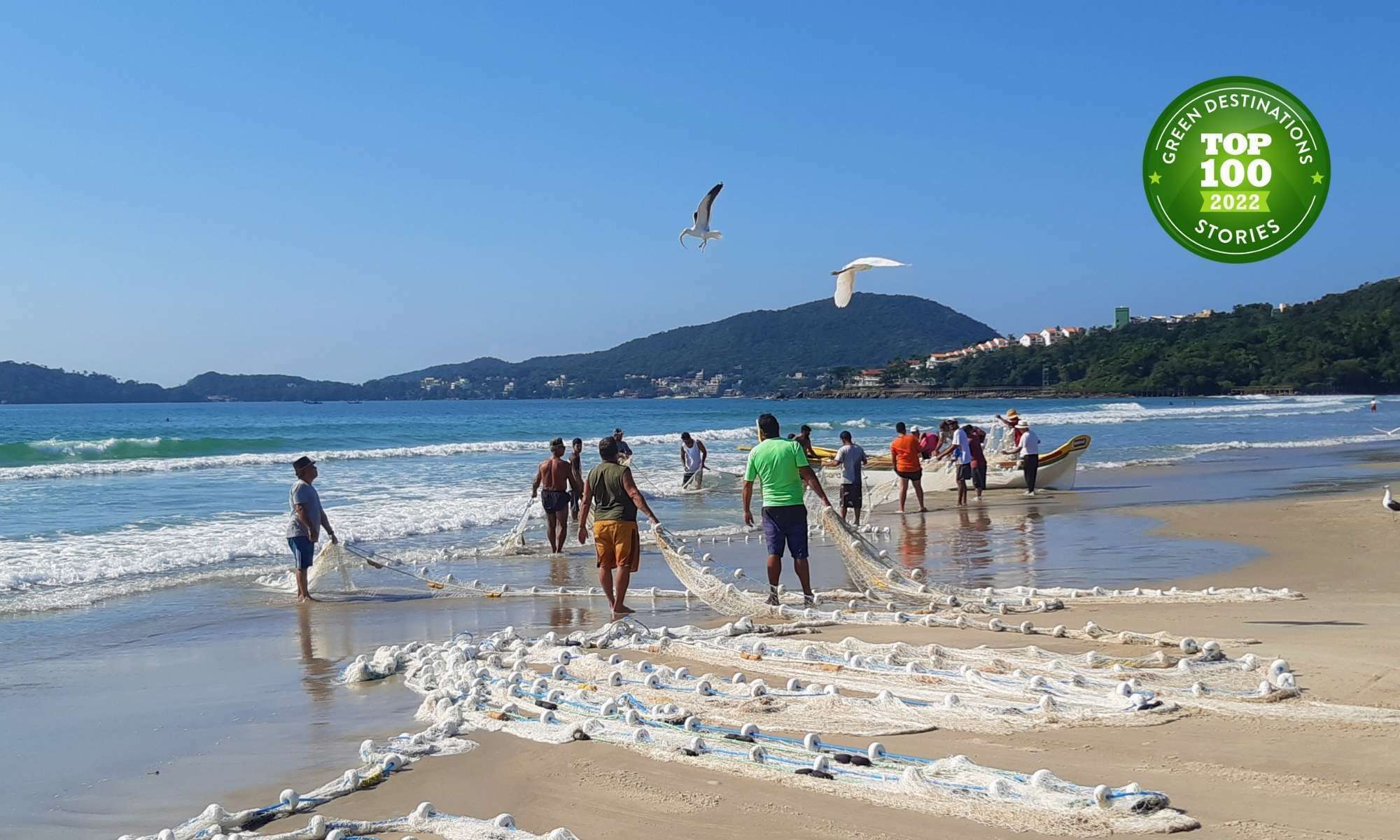
Bombinhas
A small Bombinhas municipality ensured the livelihood by agriculture and artisanal fishing of mullet for a long time. Several actions and public policies have been developed to safeguard the heritage of artisanal fishing and now it is in the identity of the people and the pride of belonging is present in the daily life of the
community.
KNOW THEIR STORY THEIR SCORE CARD
KNOW THEIR STORY THEIR SCORE CARD
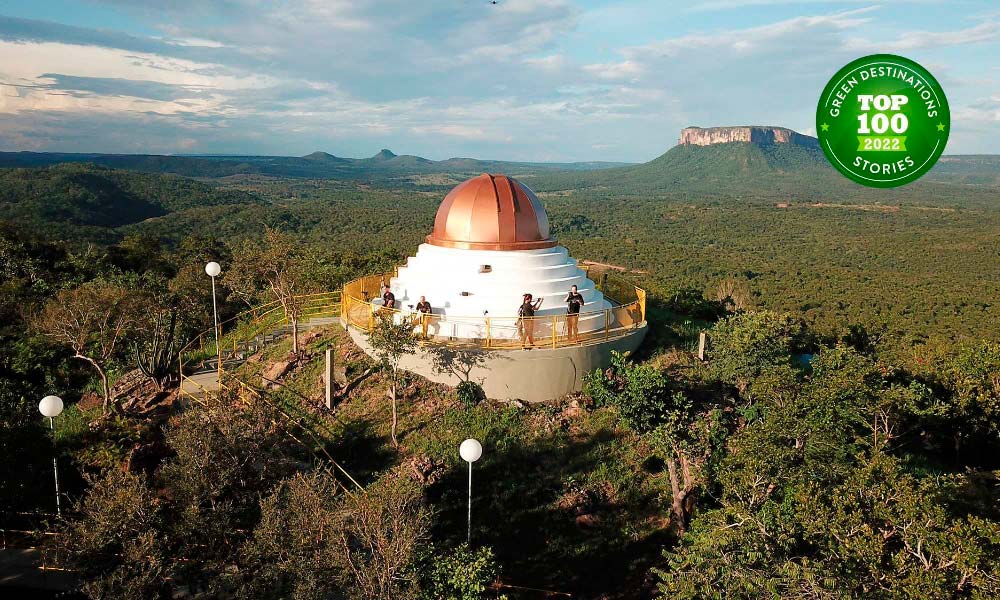
Corguinho
Started its constriction in 1997, The city Cidade Zigurats showcase sustainable city model and resilience to climate change. They have own economic system, produce their own food within the community and each unique buildings are designed based on research in architecture. Tourism in this city is based on what nature offers.
KNOW THEIR STORY THEIR SCORE CARD
KNOW THEIR STORY THEIR SCORE CARD
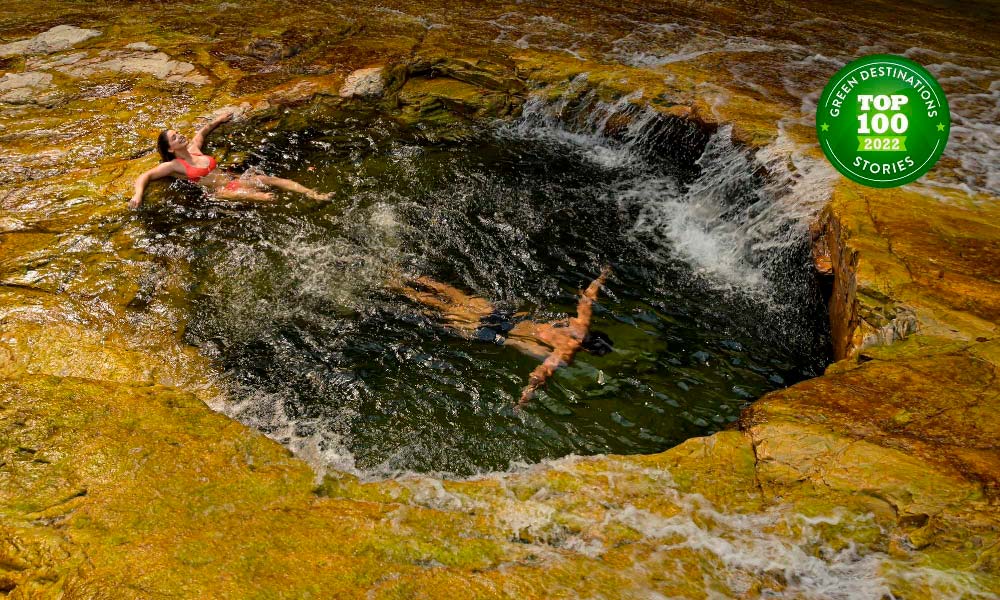
Capitólio
A story of small city that used tourism as a means to eliminating illegal activities and protect their restored environments. Capitólio is a small town where Quartzite was formerly extracted now known for the several tourist complexes with waterfalls and the boat rides on Furnas Lake.
KNOW THEIR STORY THEIR SCORE CARD
KNOW THEIR STORY THEIR SCORE CARD
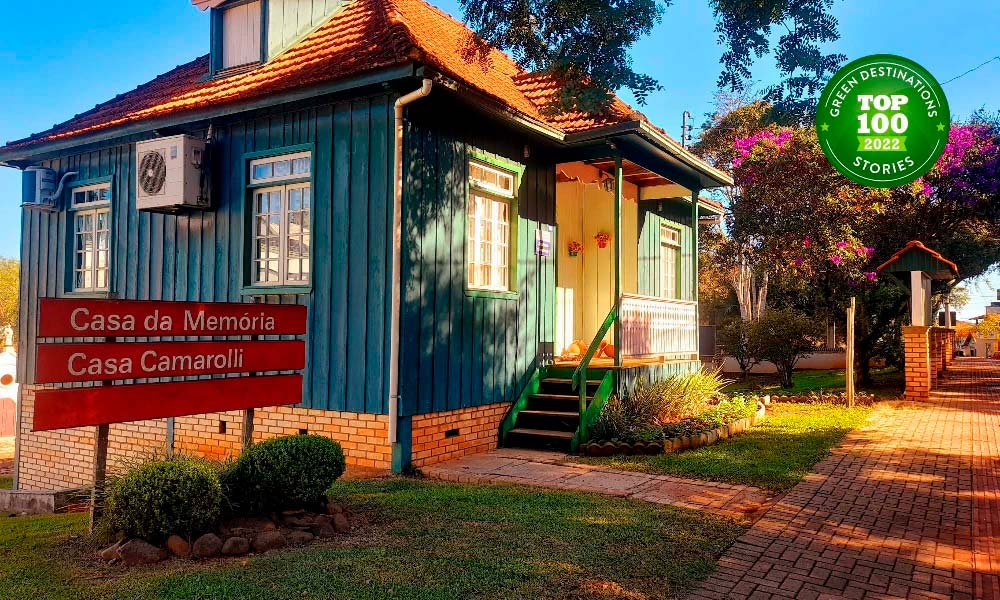
Itá
The implementation of hydroelectric plant of Itá made residents completely relocate and demolite all existing historical buildings. The relocated historical buildings are now playing role as a cultural reference of Itá to tourists and promoting community integration and valuing the trajectory of their ancestors.
KNOW THEIR STORY THEIR SCORE CARD
KNOW THEIR STORY THEIR SCORE CARD
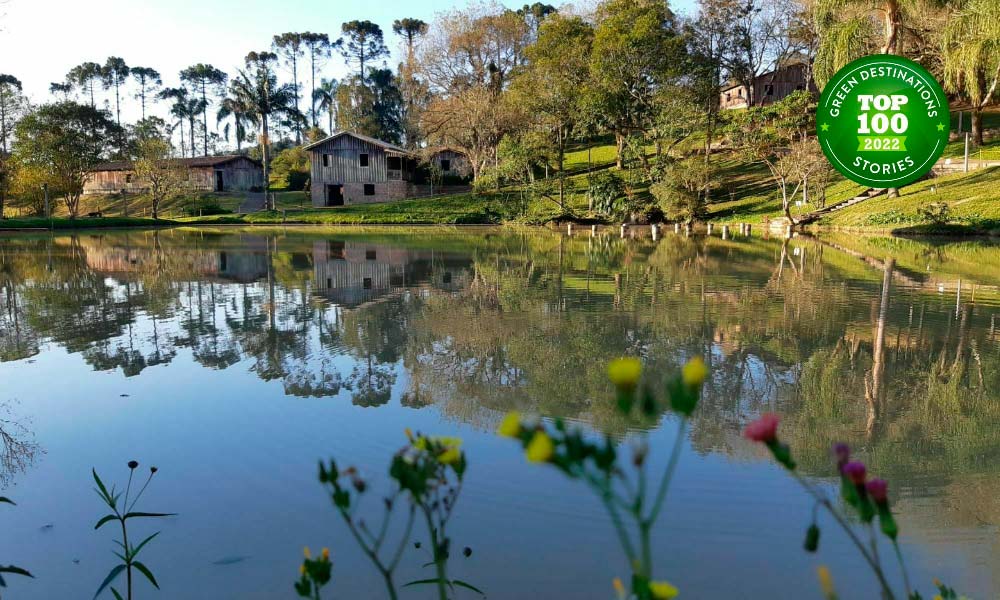
Orleans
The Princess Isabel Outdoors Museum, located in the town of Orleans in Southern Brazil. It is the first open air museum in Latin America, presenting a traditional characteristics of small colonial industries while also encouraged cultural projects and actions involving the community.
KNOW THEIR STORY THEIR SCORE CARD
KNOW THEIR STORY THEIR SCORE CARD
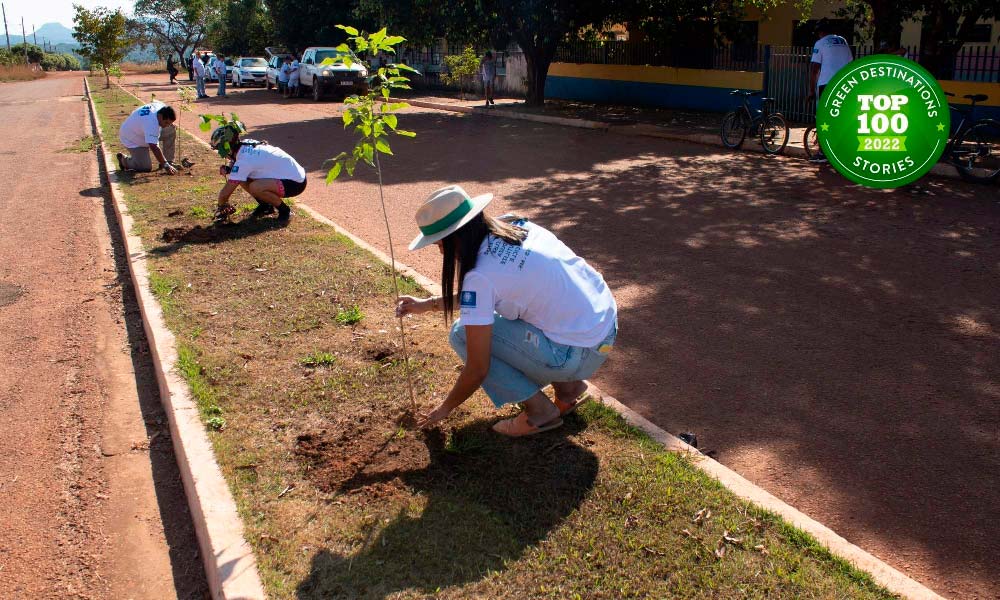
Pedro Gomes
Pedro Gomes, famous for its beautiful waterfall and trail, adapted a Mude 1 Hábito (change 1 habit) program to make environmental preservation part of their life. The program involved the entire population of Pedro Gomes with actions aimed at raising awareness and preserving the environment.
KNOW THEIR STORY THEIR SCORE CARD
KNOW THEIR STORY THEIR SCORE CARD
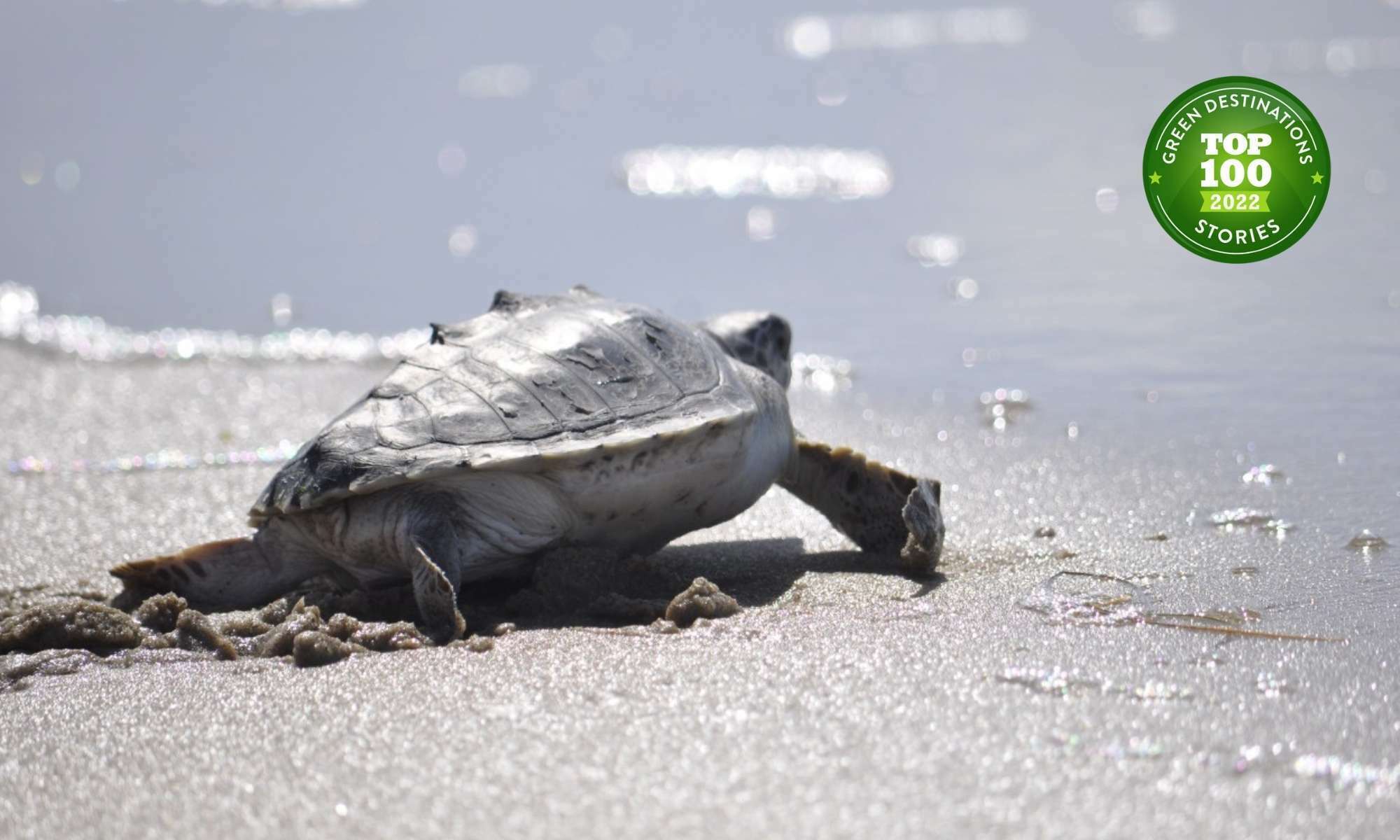
Tibau
The city of Tibau located in the State of Rio Grande do Norte, Brazil is famous for its 7 km of coastline that guarantees bathers safety and tranquility, Which is now under reinforcement by a joint effort at schools to strengthen the environmental awareness of the community and the actors involved in the tourism activity.
KNOW THEIR STORY THEIR SCORE CARD
KNOW THEIR STORY THEIR SCORE CARD
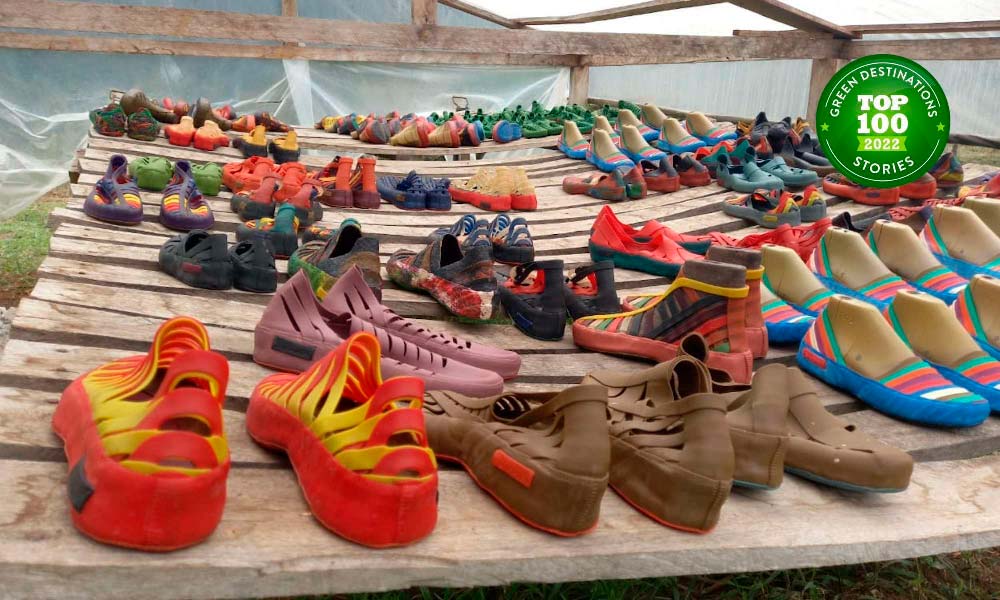
Epitaciolândia
The Seringal Nova Esperanza Reserve, which straddles the cities of Epitaciolândia and Chapulí, is a sustainable use reserve created to protect the Brazil nut and rubber trees. Rubber is still an important activity today, not only because it supports many families, but also because it is a strategic activity for conservation and protection of forests.
KNOW THEIR STORY THEIR SCORE CARD
KNOW THEIR STORY THEIR SCORE CARD
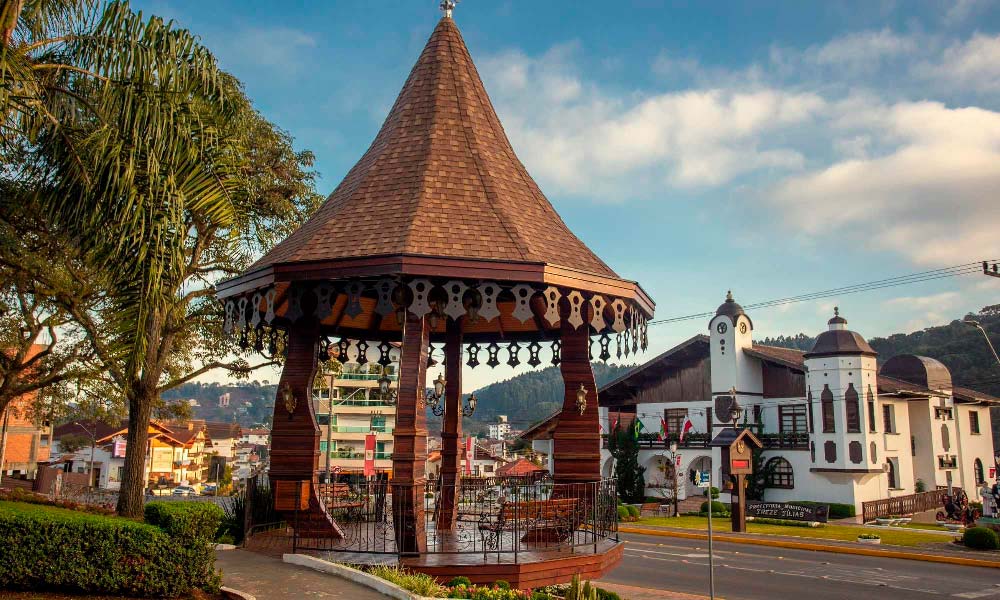
Treze Tilias
Created by a group of 85 immigrants from Austria, Treze Tirias is now one of the main tourist cities in Brazil. It is the progress, development, and employment opportunities provided by the preservation of those cultures made it possible for the city to continue its orderly development without losing the city’s character of being clean, quiet, and safe.
KNOW THEIR STORY THEIR SCORE CARD
KNOW THEIR STORY THEIR SCORE CARD
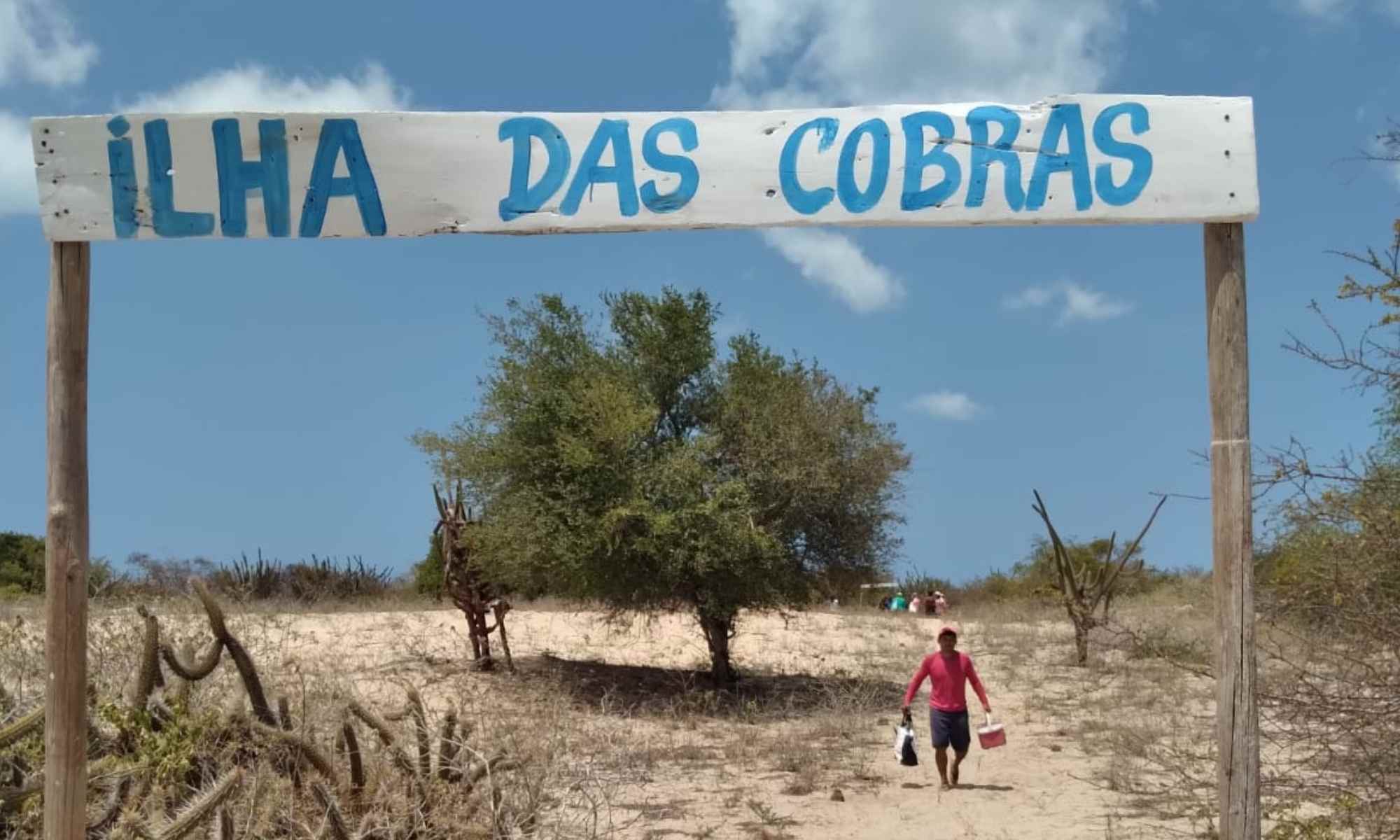
Galinhos
Galinhos for tourists is a privileged places contemplated by the fauna and flora. Local schools host tourism and environmental awareness project which made it possible to provoke an awareness of the local community regarding the responsibility towards the cultural, natural, social and economic aspects of the destination.
KNOW THEIR STORY THEIR SCORE CARD
KNOW THEIR STORY THEIR SCORE CARD